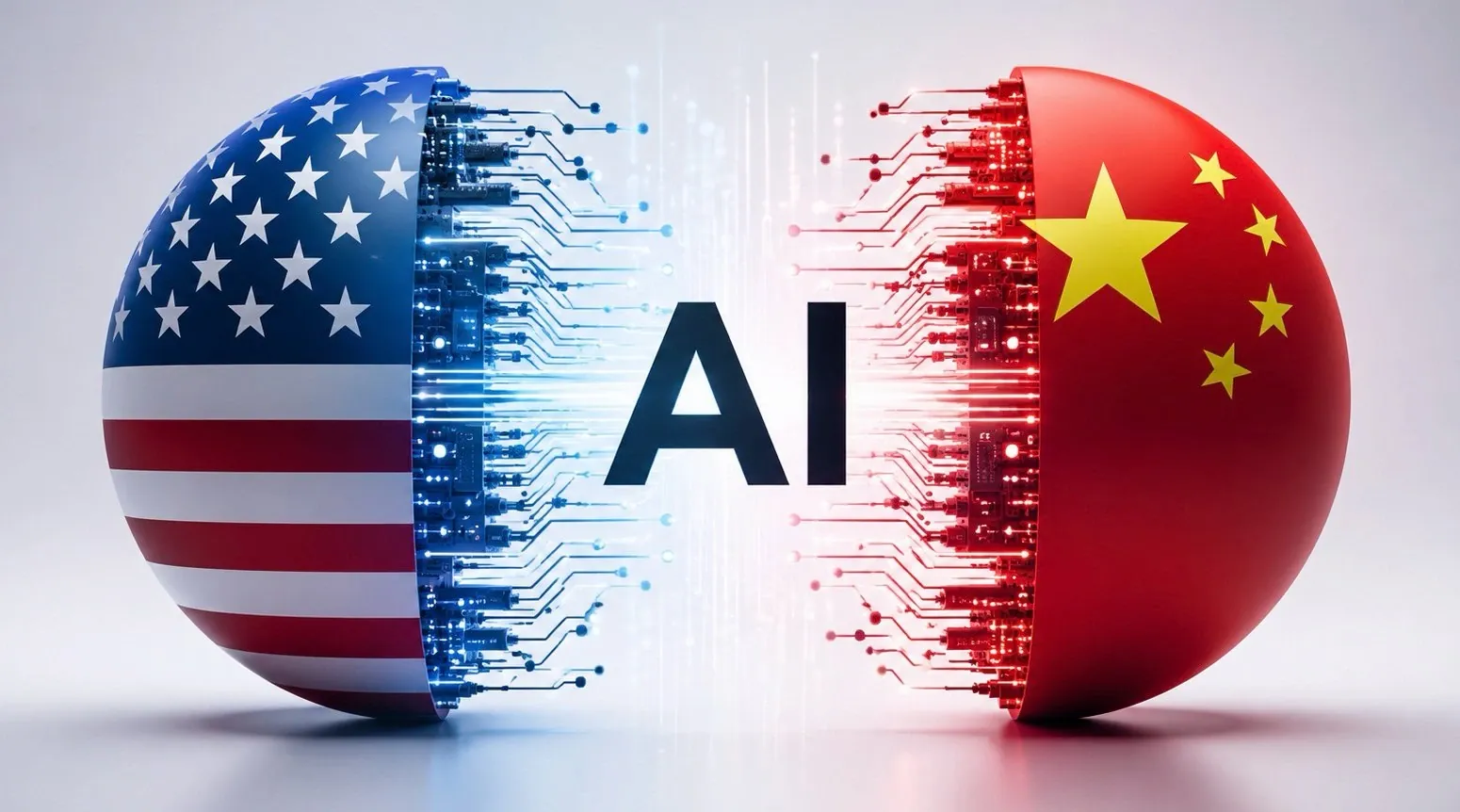
Washington, D.C. — A new wave of competition is emerging in the global artificial intelligence industry as American technology companies race to develop affordable AI models capable of competing with increasingly low-cost offerings from China.
The rapid rise of Chinese AI developers has challenged long-held assumptions about the cost of building and deploying advanced artificial intelligence systems. By focusing on efficiency, open-source development, and lower operating expenses, several Chinese firms have introduced AI models that deliver strong performance at a fraction of the price charged by many Western providers.
The shift has intensified pressure on U.S. technology companies, many of which have invested billions of dollars in training large-scale AI systems powered by expensive computing infrastructure. Investors are now demanding not only cutting-edge performance but also sustainable business models that can attract customers seeking lower-cost AI services.
In response, American startups and established technology firms are pursuing a range of strategies to reduce AI costs. Researchers are developing smaller, more efficient language models that require less computing power while maintaining competitive accuracy. Others are investing in specialized AI chips, software optimization, and energy-efficient data centers to lower operating expenses.
Government officials are also paying close attention. Policymakers view artificial intelligence as a strategic technology with implications for economic competitiveness, national security, healthcare, education, and scientific research. Federal initiatives supporting semiconductor manufacturing, AI research, and advanced computing infrastructure are intended to strengthen the nation’s long-term technological position.
The growing rivalry extends beyond commercial competition. Industry analysts say the ability to deliver powerful AI tools at affordable prices could influence global adoption, shaping which countries, businesses, and institutions become dependent on particular AI ecosystems.
For businesses, the increased competition may bring significant benefits. Lower prices could make advanced AI technologies accessible to small companies, educational institutions, and developers that previously lacked the resources to adopt sophisticated AI systems. Increased competition may also accelerate innovation, encouraging companies to improve performance while reducing costs.
However, experts caution that pricing alone will not determine success. Factors such as reliability, cybersecurity, transparency, regulatory compliance, customer support, and trust remain critical considerations for enterprise customers selecting AI platforms.
As investment continues to flow into artificial intelligence, the race is increasingly focused not only on building the most capable models but also on delivering them efficiently and affordably. The outcome could reshape the economics of AI and redefine the balance of technological leadership in the years ahead.
With both American and Chinese developers pushing the boundaries of innovation, the global AI industry is entering a new phase—one where affordability, efficiency, and accessibility may prove just as important as raw computing power.